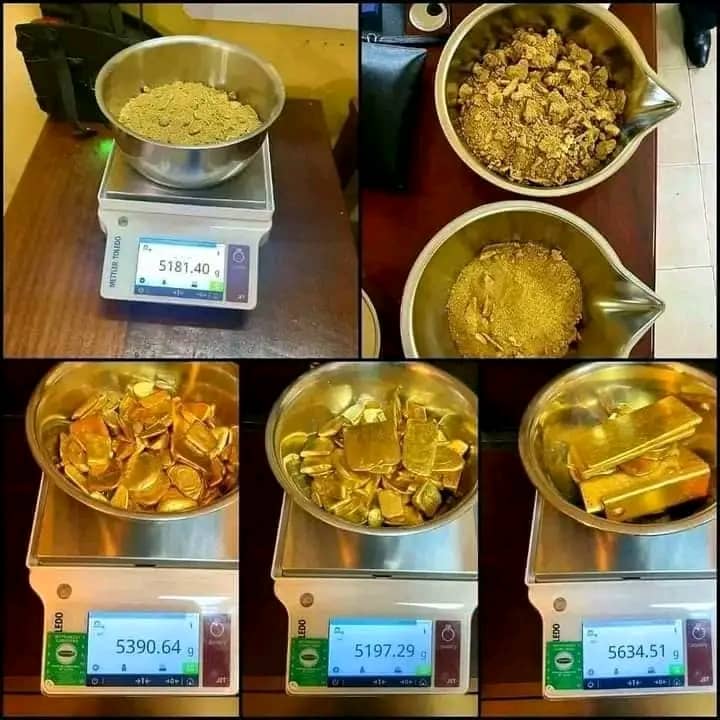
Physical gold is not one product. Refined gold bullion bars, natural nuggets and alluvial gold dust all contain the same metal, yet they are priced, tested, stored and resold in very different ways. Choosing the wrong form for your purpose can mean paying more than you need to, or ending up with gold that is harder to sell than you expected.
This comparison looks at each form across the factors that matter most to buyers, then explains which type of buyer each one usually suits.
Gold Bars: Refined Bullion
Gold bars are gold that has been refined to high purity and cast or minted into standard weights. Investment bars are typically 99.99% fine (24K). Because their weight and fineness are standardised, they are the easiest form of gold to value and the most widely accepted by dealers, vaults and other investors.
YNM supplies 99.99% gold bars in 1 oz (31.1 g troy) and 100 g sizes, with origin in Uganda and Tanzania.
Gold Nuggets: Natural Raw Gold
Nuggets are naturally occurring pieces of gold recovered from alluvial deposits or weathered rock. They are not pure: natural gold contains silver and traces of other metals, so purity varies from deposit to deposit and even from nugget to nugget. Shape and size vary too, and unusually attractive specimens can appeal to collectors.
Our natural gold nuggets are typically 22–23K and come from the DRC and East Africa.
Gold Dust: Fine Alluvial Gold
Gold dust consists of fine particles and flakes of gold, usually recovered by panning or gravity concentration. Once cleaned of sand and other minerals, it can be sampled and assayed relatively consistently, and it is a convenient feedstock for refining and melting.
YNM offers 99.9% gold dust from Kenya, supplied with an independent assay certificate.
Side-by-Side Comparison
The differences between the three forms show up most clearly when you compare them on the same criteria.
Liquidity
Bars are the most liquid: recognised weights and fineness mean many dealers will buy them quickly. Nuggets and dust usually need to be assayed and often refined before most buyers will pay close to full value, which takes more time.
Premiums and pricing
Refined bars usually trade at a premium over spot to cover refining and fabrication. Raw gold usually trades at a discount to the spot value of its gold content, reflecting refining costs, losses and assay uncertainty. Our guide to the raw gold price explains the calculation.
Purity
Bars offer known, high purity. Dust can reach high purity once cleaned, while nuggets carry natural alloying metals and are generally less pure than refined gold. Lower purity is not a defect in itself, because the price adjusts for fine gold content, but it does mean the purity figure must be measured accurately before you agree a price.
Verification difficulty
Bars are relatively easy to check with markings, density and XRF tests, although counterfeits exist. Dust is easy to sample but can be mixed with heavy non-gold materials. Nuggets are the hardest to assess without a laboratory, because surface readings may not represent the whole piece. See how to verify gold purity for the testing methods.
Storage
Bars stack neatly and are simple to vault and insure. Nuggets and dust need sealed, well-labelled containers so that weight and contents can be checked at each handover.
Which Form Suits Which Buyer?
There is no single best form of gold. The right choice depends on what you plan to do with it.
- Investors: refined bars are usually the best fit, because they are easy to value, store and resell. Our investors page covers this in more depth.
- Collectors: natural nuggets offer character and rarity that bars cannot, and attractive specimens can be valued above their gold content. Collectors should still insist on purity and weight documentation, because any premium sits on top of the gold value.
- Refiners: gold dust and nuggets are natural feedstock, and refiners can capture the value of the discount to spot through their own refining.
- Jewellers and manufacturers: dust and nuggets can be refined or alloyed into the karat they need, while bars suit those who want a ready-made fine gold input.
Questions to Ask Before You Decide
Before choosing between bullion and raw gold, work through a few practical questions.
- Will I hold this gold, process it, or resell it soon?
- Do I have access to an assay laboratory or refinery?
- How important is it to sell quickly at a predictable price?
- Am I comfortable assessing documents such as assay certificates and chain-of-custody records?
- Have I verified the seller, using the checks in our buying guide?
Common Misconceptions About Raw Gold and Bullion
A few assumptions come up again and again when buyers first compare bullion with raw gold. Clearing them up early avoids expensive surprises.
- “Raw gold is a bargain because it costs less than spot.” The discount usually reflects real refining costs, losses and assay risk. Once those are paid, the saving can be small or disappear entirely.
- “All gold bars are 24K.” Investment bars are usually 99.99% fine, but cast bars from informal sources can be considerably less pure. Fineness has to be stated and verified, not assumed.
- “A bigger nugget is always worth more per gram.” Most nuggets are valued on their gold content. Only genuinely attractive specimens attract a collector premium, and that premium is a matter of taste rather than a fixed rate.
- “Gold dust is just loose gold.” Uncleaned dust can contain sand, black sand and other heavy minerals that add weight without adding value, so it should always be cleaned and assayed before it is priced.
- “Documents are a formality.” Assay certificates and chain-of-custody records often decide whether a refiner or dealer will accept gold at all, and on what terms.
Documentation Matters for Every Form
Whichever form you choose, the paperwork matters as much as the metal. An independent assay certificate confirms purity, and chain-of-custody documents show where the gold came from and how it reached you. Both make the gold easier to resell and help you meet responsible sourcing expectations. For raw gold in particular, documents that link the assay result to the specific parcel you receive are what turn an uncertain natural material into something a refiner or dealer can price with confidence.
YNM Gold Sellers, based in Nairobi since 2009, provides both with every purchase, along with insured international delivery. To discuss quantities and pricing for any of the three forms, request a quote.
Frequently Asked Questions
Is it better to buy gold bars or gold nuggets?+
For most investors, bars are better because they have known purity and are easy to resell. Nuggets suit collectors, refiners and jewellers who can assess and process raw gold.
Why are gold nuggets cheaper than gold bars?+
Nuggets are unrefined. Their purity is lower and less certain, and they must be refined before they reach investment grade, so they normally trade at a discount to the spot value of their gold content.
Who buys gold dust?+
Gold dust is mainly bought by refiners and jewellery manufacturers, who melt and refine it. Some traders also buy it to refine into bars.
What purity is gold bullion?+
Investment-grade gold bars are typically 99.99% fine, also called 24K or four nines gold. Large wholesale bars traded in the London market must be at least 99.5% fine.
More Gold Buyer Guides
- How to Buy Physical Gold in the USA: A Practical Guide to Bullion · Buyer Guide
- Buying Gold Bullion in the UK: VAT, Tax and What to Check · Buyer Guide
- Investing in Gold in Canada: Should You Buy Gold? · Market Analysis
This article is general information, not financial, tax or legal advice.