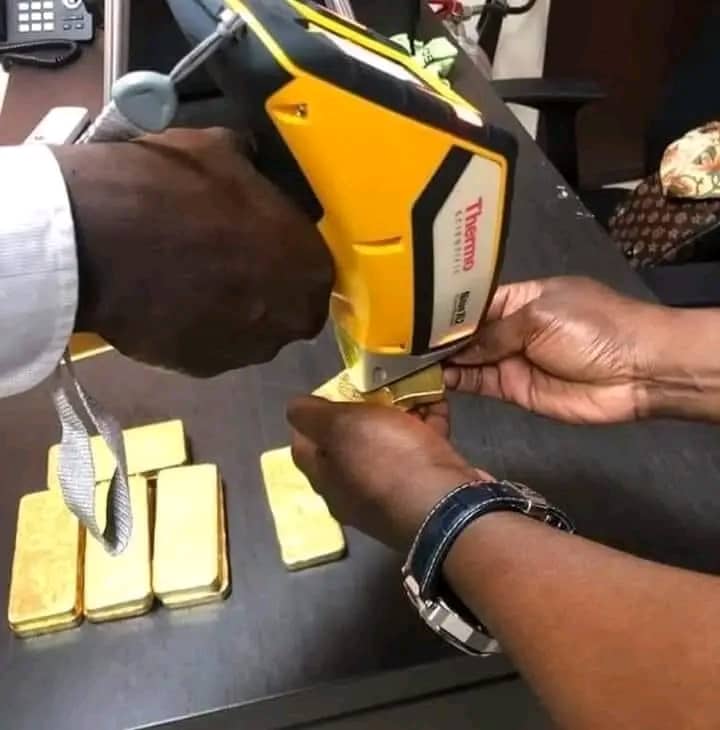
Purity is the single biggest driver of what a piece of gold is worth. A bar or nugget that is a few percent less pure than claimed can wipe out any discount you negotiated, and outright counterfeits remain a real risk in the physical gold trade. Knowing how a gold purity test works, and which tests to trust, is essential for any buyer.
This guide explains the main testing methods, from quick screening tools to laboratory-grade analysis, and shows you what to look for on an assay certificate before you pay.
Why Gold Purity Testing Matters
Gold is priced on its fine gold content: weight multiplied by fineness. If the fineness is wrong, the price is wrong. Raw gold such as nuggets and dust naturally contains silver and other metals, so its purity has to be measured rather than assumed. Refined bars should be close to their stated fineness, but fake or gold-plated bars exist precisely because many buyers rely on appearance.
If you want to see how purity feeds directly into value, our article on how raw gold is priced works through an example.
No single test answers every question. Professionals usually layer them: a visual check of markings and finish, a weight and dimension check against the stated specification, a non-destructive screen such as XRF or a density test, and, where the value justifies it, a laboratory fire assay. Each layer catches problems the others can miss, and together they give a level of confidence that no individual method can.
X-Ray Fluorescence (XRF) Analysis
XRF analysers fire X-rays at the sample and read the characteristic energy given off by each element. Within seconds, the instrument reports the percentages of gold, silver, copper and other metals. Handheld and benchtop XRF units are widely used by dealers, refiners and customs authorities.
- Advantages: fast, non-destructive and able to show which other metals are present.
- Limitations: it measures only a thin surface layer, so it can be fooled by gold plating over a cheaper core, and readings on irregular or dirty surfaces such as raw nuggets can be less reliable.
- Best use: rapid screening and confirming that a sample is broadly what it claims to be.
Fire Assay: The Most Accurate Method
Fire assay, also called cupellation, is the long-established reference method for determining gold content. A weighed sample is melted with fluxes and lead, then heated in a porous cup (a cupel) that absorbs the base metals. The remaining bead of gold and silver is weighed, the silver is dissolved away with acid, and the pure gold is weighed again.
- Advantages: the most accurate method available, measuring the whole sample rather than its surface. It is the standard used by refiners and accredited laboratories.
- Limitations: it is destructive, because a sample must be taken and consumed, and it requires a properly equipped laboratory and trained assayers.
- Best use: final settlement of value for raw gold, and confirmation of purity for large or high-value transactions.
Acid and Touchstone Testing
The acid test is one of the oldest methods. The gold is rubbed on a dark touchstone to leave a streak, and acids of known strength, matched to different karat levels, are applied. If the streak survives a given acid, the gold is at least that purity.
It is cheap and quick, but it only gives a range rather than a precise figure, it depends on the tester’s experience, and like XRF it tests only the surface. It is useful for jewellery and small items, less so for bullion purchases. The acids involved are also corrosive and should only be handled by someone trained to use them safely.
Specific Gravity (Density) Testing
Pure gold has a density of about 19.3 grams per cubic centimetre, far higher than most other metals. A density test weighs the item in air and then suspended in water; the difference gives its volume, and weight divided by volume gives its density. A result well below 19.3 suggests a lower purity or a non-gold core.
The tungsten problem
Tungsten has a density very close to that of gold, so a tungsten core inside a gold shell can pass a basic density test. For this reason, density testing should be combined with other methods. Ultrasonic thickness testing and fire assay can detect hidden cores that surface tests miss.
Hallmarks and Bar Markings
Refined bars usually carry stamped markings: the refiner’s name or logo, the fineness (for example 999.9), the weight and often a serial number. These marks are helpful but not proof on their own, because they can be copied. Check that the marks are crisp and consistent, that the serial number matches any accompanying certificate, and that the refiner actually exists and produces bars in that size.
Cast raw gold bars from artisanal sources may carry few or no markings, which makes independent testing even more important.
Reading an Assay Certificate
An assay certificate is the document that ties a specific piece of gold to a laboratory result. When you receive one, check the following.
- Laboratory identity: the name, address and contact details of the laboratory, and whether it is independent of the seller.
- Accreditation: whether the laboratory holds a recognised accreditation for the tests performed.
- Sample identification: a description, weight and, for bars, the serial number that matches the item you are buying.
- Method: whether the result comes from fire assay, XRF or another method.
- Result: fineness or percentage of gold, and ideally silver and other elements.
- Date and signature: a recent date and an authorised signatory. You can contact the laboratory directly to confirm the certificate is genuine.
Independent certification as standard
YNM Gold Sellers provides an independent third-party assay certificate with every purchase of gold bars, nuggets and gold dust. See our compliance page for more on our documentation.
LBMA Good Delivery: The Wholesale Benchmark
In the international wholesale market, the London Bullion Market Association (LBMA) maintains the Good Delivery List of refiners whose large gold bars meet its standards for fineness, weight, marking and responsible sourcing. Good Delivery gold bars must be at least 99.5% fine, and refiners on the list are subject to regular audits.
Raw gold from artisanal and small-scale mines is not Good Delivery gold. It normally enters the formal market by being refined, which is why refiners rely on fire assay to settle value. Buyers who understand this path can judge raw gold offers more realistically. For a complete buying checklist, see our guide on how to buy physical gold safely.
Frequently Asked Questions
What is the most accurate gold purity test?+
Fire assay is the most accurate method. It measures the gold content of the whole sample rather than just the surface, but it is destructive and must be done in a laboratory.
Can an XRF test be fooled?+
Yes. XRF only reads a thin surface layer, so a gold-plated item or a bar with a hidden core can give a misleading result. It is best used for screening alongside other tests.
How do I check if an assay certificate is genuine?+
Confirm that the laboratory is independent and accredited, check that the sample description and serial number match your gold, and contact the laboratory directly using details you have found independently to verify the certificate.
Does a density test detect fake gold bars?+
It detects many fakes, because most metals are much lighter than gold. However, tungsten has a density very close to gold, so a density test should be combined with other methods such as ultrasonic testing or fire assay.
More Gold Buyer Guides
- How to Buy Physical Gold in the USA: A Practical Guide to Bullion · Buyer Guide
- Buying Gold Bullion in the UK: VAT, Tax and What to Check · Buyer Guide
- Investing in Gold in Canada: Should You Buy Gold? · Market Analysis
This article is general information, not financial, tax or legal advice.