Buy Certified African Gold in the USA
Independently assayed East African gold bars, nuggets and dust for US investors, refiners and jewellery manufacturers, with the origin documentation American buyers now expect.
The United States is one of the largest markets for physical gold in the world. American investors buy bars and coins through a dense network of bullion dealers, hold gold inside self-directed retirement accounts and follow a price largely set in New York and London. US refiners and jewellery manufacturers also buy raw gold as feedstock. For all of these buyers, one question increasingly comes first: can the seller prove where the gold came from?
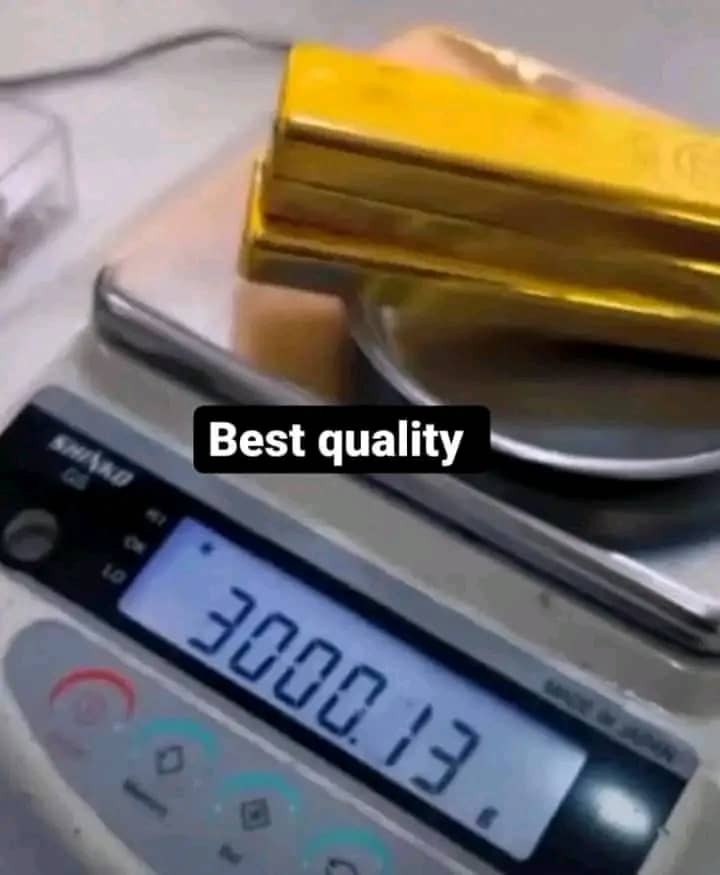
YNM Gold Sellers has exported East African gold from Nairobi, Kenya since 2009. For US buyers we supply 99.99% gold bars in 1 oz (31.1 g troy) and 100 g, natural 22–23K nuggets and 99.9% gold dust. Every lot ships with an independent third-party assay certificate, full chain-of-custody documentation and Kenyan export papers, under fully insured international delivery.
- Best for
- Investment Bullion
- VAT
- No federal VAT; state sales tax varies
- Currency
- USD
Which Gold Suits Buyers in the United States
Private investors and bullion buyers
1 oz and 100 g bars at 99.99% purity are the form of our gold that suits holding as an investment. Each bar has its own independent assay certificate for your records.
View Gold Bars →Refiners
Natural 22–23K nuggets are raw gold, and in the US they will normally be refined before resale. Our chain-of-custody file gives the refiner the origin evidence its due-diligence process requires.
View Gold Nuggets →Jewellery manufacturers
99.9% dust gives a manufacturer a high-purity base that can be refined or alloyed to 14K and 18K, the karats most common in American jewellery.
View Gold Dust →Bars for investors, raw gold for refiners
Our three products reach US buyers by different routes. 99.99% bars are finished bullion that an investor can hold. Natural nuggets and gold dust are raw gold. In a regulated market like the United States they usually go to a refiner, which melts, refines and recasts them into its own branded product. Nugget specimens sold as collectibles are the exception.
This matters for pricing and expectations. A refiner pays for the fine gold content of raw material, less its refining costs, so the assay certificate is what drives the price. An investor buying bars, by contrast, will want to know how easily those bars can be resold to a US dealer. Bars from a well-known refinery brand are generally the easiest to resell, while bars from smaller producers may be re-tested first. Our independent assay certificate is there to make that check easier.
Origin due diligence for African gold in the US
Section 1502 of the Dodd-Frank Act requires US-listed companies that use gold, tin, tantalum or tungsten in their products to carry out a reasonable country-of-origin inquiry. Where the minerals may come from the Democratic Republic of the Congo or an adjoining country, they must also carry out due diligence and report it to the SEC. The adjoining countries include Uganda and Tanzania. Our bars are sourced from Uganda and Tanzania, and some of our nuggets come from the DRC, so any US manufacturer or refiner that supplies listed companies will ask detailed questions about origin. We expect those questions and answer them.
US buyers should also screen counterparties against US Treasury sanctions lists, because individuals and companies in the region’s gold trade have been designated in the past. Our ethical sourcing process explains how we document each stage from the mining area to export.
Sales tax and gold IRAs
The United States has no federal VAT. Sales tax on gold is set state by state: some states exempt investment bullion completely, some exempt it only above a purchase threshold, and others tax it. Check the rules in your own state before you buy.
IRS rules allow gold bullion of at least 99.5% fineness to be held in a self-directed IRA, provided a qualified trustee or approved depository holds it. IRA custodians also keep their own lists of acceptable products and often require bars from specific accredited refiners. If you are buying for an IRA, confirm with your custodian that a particular bar is acceptable before you order. Our page for gold investors covers how physical gold fits into a wider portfolio.
Dealer regulation and anti-money-laundering rules
Under the Bank Secrecy Act, US dealers in precious metals above certain thresholds must run an anti-money-laundering programme. Businesses that receive more than $10,000 in cash in a transaction must report it to the IRS. In practice, any US counterparty will carry out know-your-customer checks on its suppliers, and our compliance documentation is set up to support them.
Importing gold into the United States
Commercial shipments of gold must be entered with US Customs and Border Protection, normally through a licensed customs broker. The documents below accompany every YNM shipment. Customs classification, entry procedures and any applicable duties depend on the form of the gold and can change, so confirm the current requirements with a US customs broker before each shipment.
- Commercial invoice and packing list with weights and purity
- Independent third-party assay certificate
- Certificate of origin and chain-of-custody records
- Kenyan export permit and export declaration
- Insurance certificate and air waybill
Buying Gold in the United States: FAQ
How is the price of gold calculated for US buyers?+
We quote every order individually in US dollars, starting from the international spot price and adjusting for assayed purity, weight and quantity. Check the live gold price before you request a quote.
What documents come with gold shipped to the United States?+
Each shipment includes a commercial invoice, packing list, independent assay certificate, certificate of origin, chain-of-custody records, Kenyan export permit and declaration, and insurance documents. Confirm the current import requirements with a US customs broker, because rules change.
Does Dodd-Frank affect buying gold from East Africa?+
Section 1502 applies to US-listed companies using gold that may come from the DRC or adjoining countries, including Uganda and Tanzania. If you supply such companies, expect them to ask for origin and due-diligence records, which we provide with every lot.
Can I hold your gold bars in an IRA?+
The IRS allows gold bullion of at least 99.5% fineness in an IRA held by a qualified custodian, but custodians set their own lists of accepted products. Confirm with your custodian before buying.
Do I pay sales tax on gold in the US?+
There is no federal VAT. Sales tax on bullion depends on your state, so check your state’s current rules.
Request a Quote for Delivery to the United States
Spot-linked pricing, assay certificate and export documents with every order. Check today’s gold price.
Guides for Buyers in the United States
- How to Buy Physical Gold in the USA: A Practical Guide to Bullion
A step-by-step guide for US buyers: choosing bullion, reading prices against spot, sales tax and IRA rules, imports, and how to vet a seller.
- How to Buy Physical Gold from Africa Safely: A Step-by-Step Guide
A practical, step-by-step guide to buying physical gold bars, nuggets or dust from Africa, from verifying the seller to shipping, insurance and storage.